 Call Us : 07971459519Call Us : 07971459519

 Send Inquiry
Crane hook
Price 150000 INR/ Set
MOQ : 1 Ton
Crane hook Specification
- Grade
- Commercial
- Product Type
- Crane hook
- Material
- Steel
- Alloy
- Yes
- Strength
- High
- Application
- Construction, Rope, Machinery
Crane hook Trade Information
- Minimum Order Quantity
- 1 Ton
- FOB Port
- Jnpt
- Payment Terms
- Paypal, Cash Advance (CA), Cash in Advance (CID)
- Supply Ability
- 7 Tons Per Week
- Delivery Time
- 7 Week
- Sample Available
- Yes
- Sample Policy
- Sample costs shipping and taxes has to be paid by the buyer
- Main Export Market(s)
- Asia, Australia, South America, Eastern Europe, Western Europe, Middle East, Africa
About Crane hook
Used to connect the lifting load to the crane through slings, chains, or lifting belts. It is a vital part of the cranes lifting mechanism. --- Technical Details: Parameter Specification Capacity 100 Ton Type Single or Double Hook (as per crane type) Material High-grade forged alloy steel (heat-treated for strength) Design Standard IS 15560 / DIN 15401 / FEM standards Safety Factor Usually 4:1 or 5:1 Rotation Swivel or fixed type (depending on design) Hook Block Includes pulleys (sheaves), bearings, and frame Surface Finish Painted / Powder coated / Galvanized for corrosion protection --- Common Types: Single Hook: Used for general lifting. Double Hook: For better load distribution in heavy lifts. Ramshorn Hook: Twin-point design for balancing large loads. Safety Latch Hook: Prevents accidental load slip. --- Applications: Shipyards Steel plants Construction sites Heavy engineering industries Port and marine loading operationsSuperior Alloy Steel Construction
These crane hooks are manufactured using alloy steel, which enhances their strength and durability. The alloyed composition ensures long-lasting performance even in heavy-duty industrial environments like construction sites and machinery operations.
Versatile Industrial Applications
Built for flexibility, our crane hooks are suitable for construction, rope applications, and machinery lifting. They seamlessly integrate into a wide array of equipment and support various operational requirements, making them a versatile solution for multiple industry sectors.
FAQ's of Crane hook:
Q: How are commercial-grade crane hooks used in construction and machinery operations?
A: Commercial-grade crane hooks are essential for lifting and transferring heavy loads in construction sites and machinery setups. They securely attach to ropes or chains, enabling the safe and efficient movement of materials or equipment.Q: What benefits does the alloy steel material offer for crane hook performance?
A: Alloy steel provides enhanced tensile strength and wear resistance, making the hook capable of withstanding high loads and harsh conditions. This ensures longevity and reduces maintenance needs, offering dependable performance over time.Q: When should you choose a high-strength crane hook for your operations?
A: Opt for high-strength crane hooks when dealing with heavy-duty lifting in environments where reliability and safety are paramount, such as construction projects, industrial rope work, or machinery installations.Q: Where are your alloy steel crane hooks primarily supplied from?
A: We operate as an exporter, supplier, trader, and wholesaler from India, ensuring timely delivery and support for customers across the country and globally.Q: What is the typical process to install and inspect a crane hook?
A: Installation involves attaching the hook to the lifting mechanism, verifying all connections, and checking for wear or damage. Regular inspections are recommended to maintain safety and consistent performance during operations.Q: How does using a high-strength commercial crane hook improve workplace safety?
A: Employing a high-strength, alloy steel crane hook reduces the risk of equipment failure, which enhances worker safety during heavy lifting and handling in rigorous working conditions.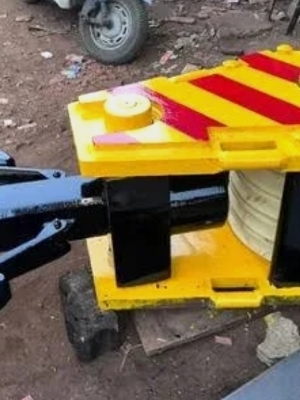
Tell us about your requirement

Price:
Quantity
Select Unit
- 50
- 100
- 200
- 250
- 500
- 1000+
Additional detail
Mobile number
Email

More Products in Wire Rope Sling Category
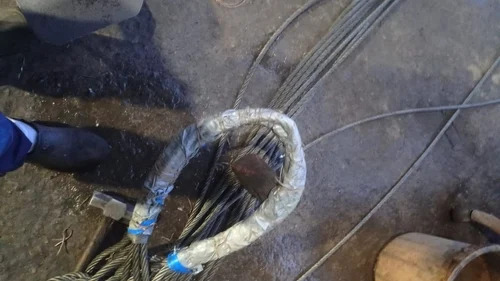
Steel Wire Sling
Price 1160.0 INR / Number
Minimum Order Quantity : 1 Number
Material : Steel
Product Type : Steel Wire Sling Belt
Grade : A
Color : Grey
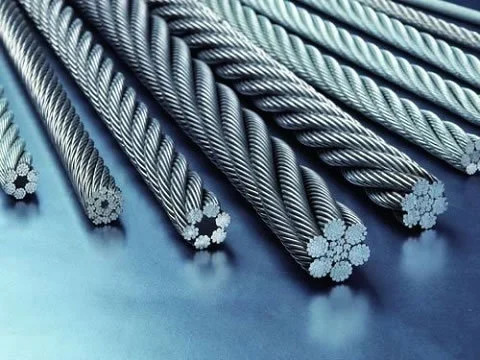
Galvanized Steel Wire Rope
Price 350 INR / Meter
Minimum Order Quantity : 50
Material : Steel
Product Type : Galvanized Steel Wire Rope
Grade : A
Color : Silver
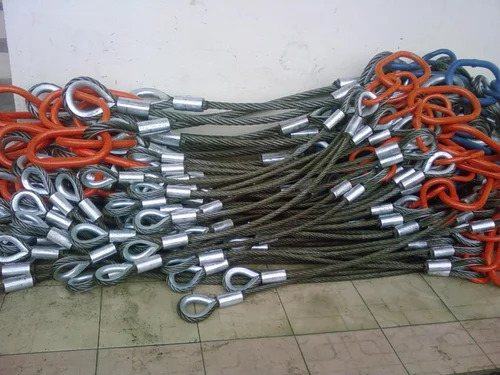
Wire Rope Sling manufactur
Price 500 INR / Piece
Minimum Order Quantity : 50 Pieces
Material : Steel
Product Type : Wire Rope Sling manufactur
Grade : A
Color : Silver
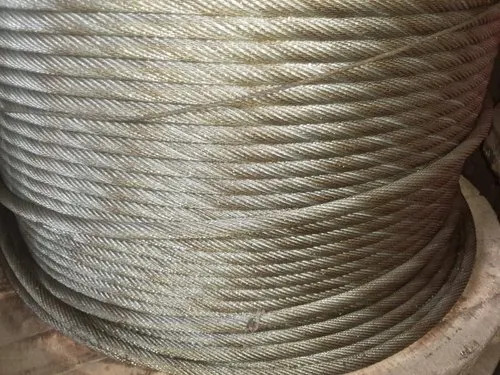
Usha Martin Crane Wire Rope 35\7
Minimum Order Quantity : 25
Material : Steel
Product Type : Usha Martin Crane Wire Rope 357
Grade : SS304
Color : Silver

Address
SEALINK MARINE LIFTING EQUIPMENT PRIVATE LIMITED
GST : 27ABKCS7836A1Z6
GST : 27ABKCS7836A1Z6
- SHOP-D/52, BIMA COMPLEX, AWC STEEL MARKET, Kalamboli Node, KALAMBOLI NODE, Navi MumbaiRaigad - 410218, Maharashtra, India
- Phone :07971459519
- Send Inquiry
 Send Inquiry
 Send Inquiry
 Send SMS
 |
SEALINK MARINE LIFTING EQUIPMENT PRIVATE LIMITED
All Rights Reserved.(Terms of Use) Developed and Managed by Infocom Network Private Limited. |
